What Does It Mean to Be Water Safe?

No one is entirely and completely water safe in every situation. Not even the most confident swimmer in the world.
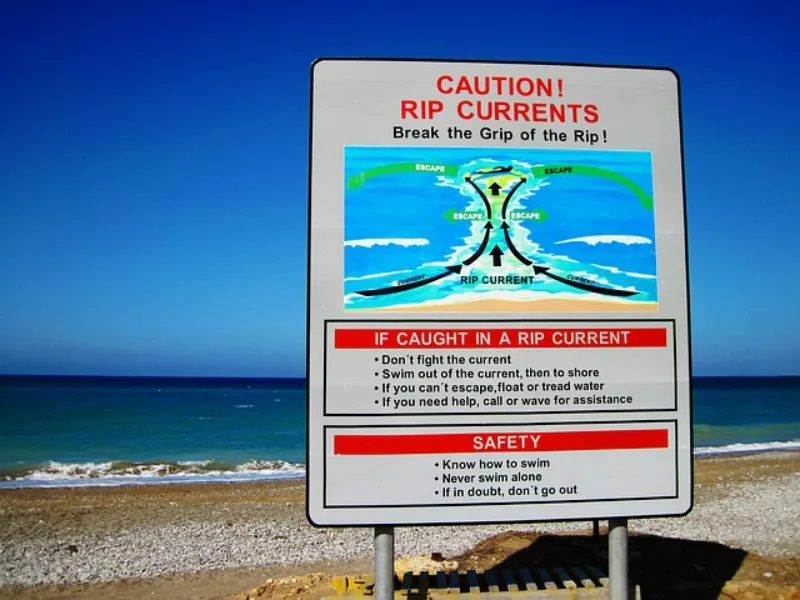
A calm beach with gentle waves meeting the shore

Accidents happen. Many swimming pools are constructed with very hard materials such as concrete or tile.

A child or an adult can accidentally fall in and hit their head and lose consciousness while completely immersed.

And then there are those of us who don’t make the best decisions.

I’ll admit it; I am one of those people. When I was 24 years old, I didn’t look before diving in, so I scraped the bridge of my nose and forehead on entry.

I had hiked to a beautiful watering hole while vacationing in Hawaii.

You couldn’t see through the dark and murky water to the bottom. So there was no way of knowing how deep it was. Why was it so dark and murky you ask? I couldn’t tell you.

Many people were swimming a little further beyond my vantage point. It looked very deep where they were, so I thought it would be okay to dive in.

I love diving, so I went for it. I did a shallow angle dive, probably because a part of me thought that I shouldn’t be diving in when I am unaware of the depth of the water.

At least the decision to make it a shallow dive saved me from hitting the rocky bottom head-on.

Accidents and bad decision-making can cripple or drown even the strongest most confident swimmers.

Educate and protect yourself and your family from accidents, and poor choices by:

  1. Being familiar with water safety rules.
  2. Following the rules.
  3. Making sure you and everyone in your family can swim well enough to self-rescue, in other words, to be water safe.

Would you be able to get back to safety without panicking if someone pushed you into the deep-end of a pool?

If so, then consider yourself water safe at least in a pool.

Would you also be able to tread and back float long enough for a rescue team to arrive, because you were swimming in the ocean and the current swept you out so far that you needed help?

If so, then consider yourself a strong, confident swimmer that wasn’t able to self-rescue in this scenario. It would’ve been best to choose to stay close to the shore.

So the answer to the question remains the same. No one is entirely and completely water safe in every situation. So make sure you do everything you can to prevent accidents and keep your family safe.

In addition to enclosing your pool and/or spa with a barrier to prevent children from entering, teach your children the water safety rules:

  • Look before you leap – hopefully, they’ll learn this before they graduate college.
  • Swim as a pair near a lifeguard’s chair – always always swim with a buddy and with close adult supervision. Stay within arms reach of young and inexperienced swimmers.
  • Be cool, follow the rules – obey those pool rules. They’re in place to keep you safe.
  • Don’t just pack it, wear your jacket – especially when boating. And don’t rely on water wings or other inflatables. None of them prevent drowning.
  • In your house and in your yard, watch for water, be on guard – this includes toilets, bathtubs, buckets of water, kiddie pools, swimming pools, spas, ponds and nearby lakes and rivers just to name a few.
  • Think before you sink – float on your back when you get tired from swimming or treading.

And last but not least make sure that you and everyone in your family can swim well enough to be able to self-rescue in the case of an accidental submersion.

For more kid-friendly rhyming rules and information on preventing accidents to keep you and your family safe, get the free water safety app. For the iTunes app store click here and for Google Play click here.

If you have any thoughts on the subject or experiences that you would like to share, I would love to hear from you.

Love the water,

Tessa

P.S. Get the FREE water safety app to help ensure your family stays safe in, on and around the water. It includes kid-friendly videos and quizzes. Search the iTunes app store for Swim by American Red Cross or click here. For Google Play you can use the same search parameters or click here. It provides the latest in water safety guidance to help ensure your family stays safe in, on and around the water.

P.P.S. To start your child on the path to becoming water safe, click here.

Want a head start? Get my free course — How to Prepare Your Baby for Swim Lessons (0–8 months).
← All articles
More from Tessa

Related articles

Small Business Ideas for Teachers
Are you looking for small business ideas for teachers? Why not start a private swim school? Here's how to get started!
3 Amazing Health Benefits Of Swimming In Toddlers That Will Blow Your Mind!
Everybody knows that sports have amazing health benefits for those who participate. Yet, we feel that people rarely speak of the amazing health benefits
Secrets to a More Family-Friendly Yard
Could your home's outdoor space use an upgrade? More families are spending time together these days, and a yard that's ready for various activities can be a joy.
Your Family's Guide to Swimming Pool Safety: Top Resources and Tips
Swimming is a perfect way for your family to have fun and stay cool in the late summer and into the early fall.
Teach Your Child to Respect the Water
How to Teach Your Child to Respect the Water. Independent play teaches them to respect the water. When children understand that water demands
Can Babies Swim Naturally? The Mammalian Diving Reflex
Can babies swim naturally? Short answer. No. You might think they can because most babies, not all, are born with a diving reflex commonly referred to as
How Do I Know If My Child Is Dry Drowning?
Dry drowning and secondary drowning, also called delayed drowning, are not accepted medical terms. Here are the facts every swim parent should know.
What Is the Best Age to Start Swimming Lessons?
What is the best age to start swimming lessons? The answer is four months of age. if you give your infant the opportunity to early water exposure, he's...
How Do I Make My Child More Comfortable in Water?
How do I make my child more comfortable in water? Whatever you do, don't force your child to do anything they don't want to do. Your child is more...
Baby Fear of Water: Does Your Baby Suddenly Have a Fear of Water?
A parent contacted me with this question: How do you help a baby/toddler overcome the fear of water? My son is now terrified when we have to rinse shampoo
How to Prepare Your Baby for Swimming Lessons Part 3
Teach your baby independence Just as you teach your baby to be independent on land, learning independence in the water is even more crucial. I don't mean
How to Prepare Your Baby for Swimming Lessons Part 2
Teach your baby to float on his back. Tips on how to get your baby comfortable with this life-saving skill.
How to Prepare Your Baby for Swimming Lessons
Conditioning your baby to hold their breath is the best way to prepare your baby for swimming lessons. They've recently emerged from a watery environment.
How I Stopped Swimmer's Ear Infections Once and for All
Are you or your children susceptible to swimmer's ear infections, like I am? If so, I have an excellent little home remedy for you.
Tips and Tricks to Motivate the Scared Child to Float
Easy games and activities to motivate a scared child to practice floating — turtle eggs, a bar float, a kickboard, and more.
How to Teach Assisted Floating: Watch This Video
Alexa is 3-years-old. She has mastered breath control. The next step in the learn to swim process is assisted floating. Here's how to introduce it.
Respect for Deep Water: No Child Is 100% Water Safe
David has had regular exposure to the water which has taught him respect for deep water. He has learned a lot about water safety and often is required...
What Is Breath Control in Swimming?
Breath Control. Remember Abram from about a month ago? Well, now he's one month shy of 4-years-old and has officially mastered breath control.
4 Must-Haves for Your Vacation Getaway: Taking a Trip over the Holidays?
Check out these 4 must-haves for your holiday adventures. A baby wetsuit is an excellent option for infants instead of a swimsuit or in addition to it.
Got a Child Afraid of Water on the Face?
Meet Abram. Four simple activities to get kids as young as 2 to put their face in the water — without goggles or a nose clip.
Finis Tempo Trainer: Not Just for Competitive Swimmers
The Finis Tempo Trainer is like a metronome for swimming. It's used to set a specific pace at which you want your student to kick or pull in the case of...
Shallow Water Blackout: What Every Parent Should Know
Have you heard of shallow water blackout? Every parent should know about the dangers of it and how to prevent it.
Swim Mirror: Best Teaching Tool for Swimmers of All Levels
The swim mirror, made of reinforced polished aluminum, is one of the best investments I've ever made for my swim school.

Have a question about swim lessons or water safety? I'd love to help.

Get in touch